Capturing smooth video can be challenging, even for experienced creators. Shaky footage distracts viewers and can ruin an otherwise great scene. Thankfully, camera gimbals have transformed how both amateurs and professionals shoot video. These compact devices use advanced technology to keep your camera steady, even when you move. Let’s explore why camera gimbals are so valuable for anyone who wants to create high-quality, stable video.
Table of Contents
How Camera Gimbals Work
A camera gimbal uses motors and sensors to balance your camera. When you walk or move your hands, the gimbal detects the movement and shifts the camera in the opposite direction. This process, called stabilization, helps keep your footage steady. Most gimbals today use three axes (pan, tilt, and roll), which means they can correct shakes from almost any direction.
Here’s a quick comparison of handheld shooting versus using a gimbal:
| Feature | Handheld | With Gimbal |
|---|---|---|
| Stability | Poor to fair | Excellent |
| Effort Required | High | Low |
| Professional Look | Inconsistent | Consistent |
Main Benefits Of Using A Camera Gimbal
1. Super Smooth Footage
The most obvious benefit is smooth video. Gimbals help remove unwanted shakes that come from walking, running, or even breathing. This is especially important for action shots, vlogs, or travel videos. Viewers can focus on the story, not the shaky camera.
2. Professional-looking Results
A gimbal makes your video look like it was shot by a pro. Even beginners can achieve cinematic movement. For example, you can create:
- Tracking shots (following a subject smoothly)
- Panning (side-to-side motion)
- Tilting (up-and-down movement)
- Orbiting (circling around a subject)
These moves used to require expensive equipment, but now a compact gimbal does the job.
3. Easier Handling And Less Fatigue
Filming with just your hands can be tiring, especially over long periods. Gimbals are designed to be ergonomic and lightweight. This means you can shoot longer without getting tired arms. Some models even have built-in stands or extension handles for more comfort.
4. Creative Freedom
With a gimbal, you can try shots that would be impossible by hand. For instance, you can walk up stairs, move around corners, or shoot from low angles without losing stability. This opens up new creative ideas and lets you experiment more with your video style.
5. Time And Effort Savings
Editing shaky video takes time. You may need to use software stabilization, which can crop your footage or reduce quality. With a gimbal, you get stable footage straight from the camera. This saves time in post-production and helps keep the video’s original quality.
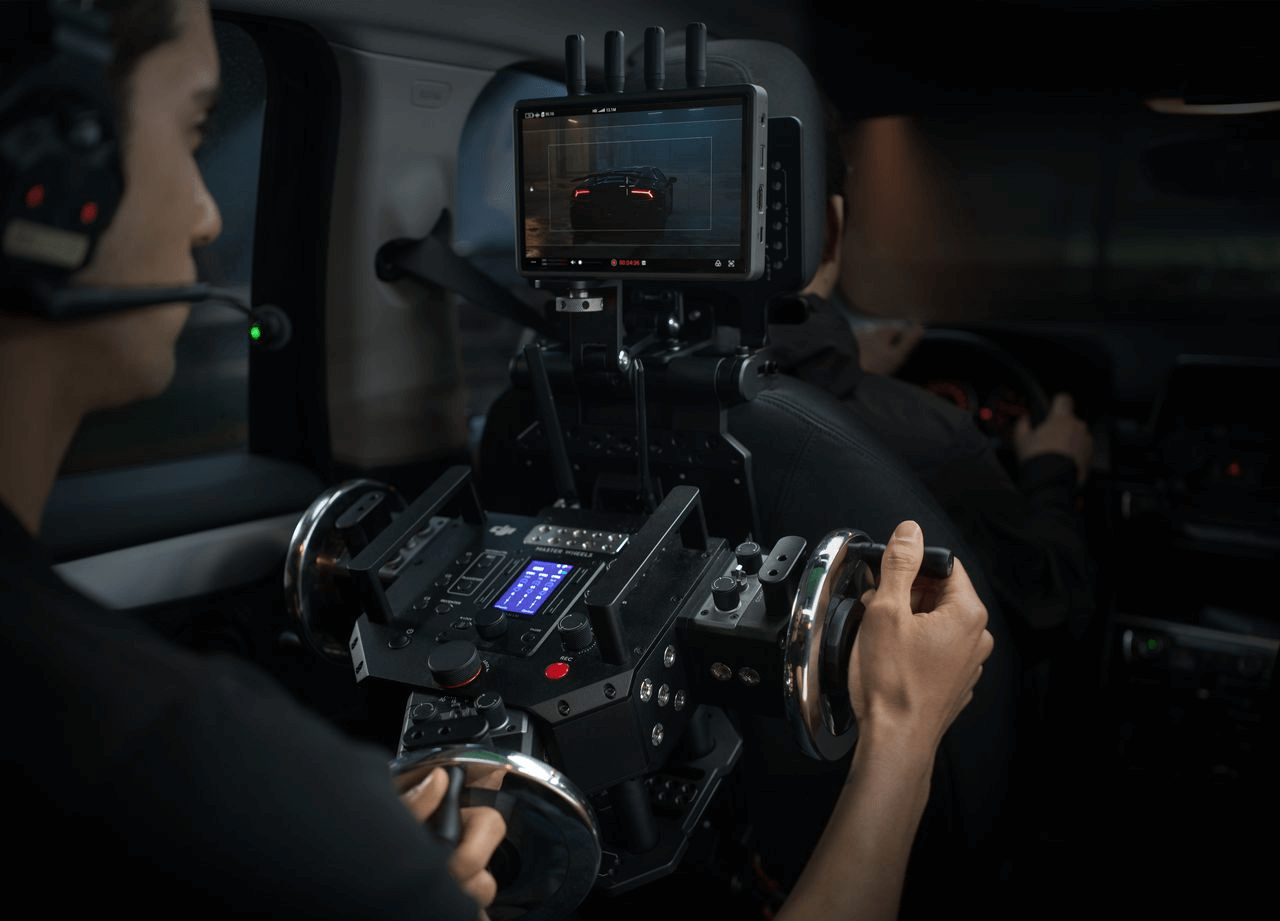
Credit: www.dji.com
Gimbals Vs. Other Stabilization Methods
You might wonder if you need a gimbal if your camera has built-in stabilization. Here’s how they compare:
| Method | Pros | Cons |
|---|---|---|
| Optical/Image Stabilization (OIS/IS) | Works for small shakes; built into some cameras/lenses | Struggles with big movements; can’t handle walking/running well |
| Digital/Electronic Stabilization | No extra gear needed; easy to use | Reduces image quality; can crop footage |
| Gimbal Stabilization | Handles big and small shakes; smoothest result | Extra device to carry; needs charging |
While built-in camera stabilization helps, a gimbal offers the best results for dynamic movement.
Choosing The Right Gimbal
Picking the best gimbal depends on your camera and shooting needs. Here are a few things to consider:
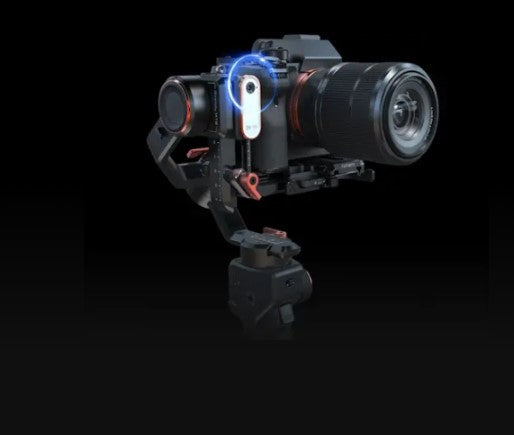
- Camera weight: Make sure your gimbal can support your camera and lens.
- Battery life: Look for a model that lasts through your shoots.
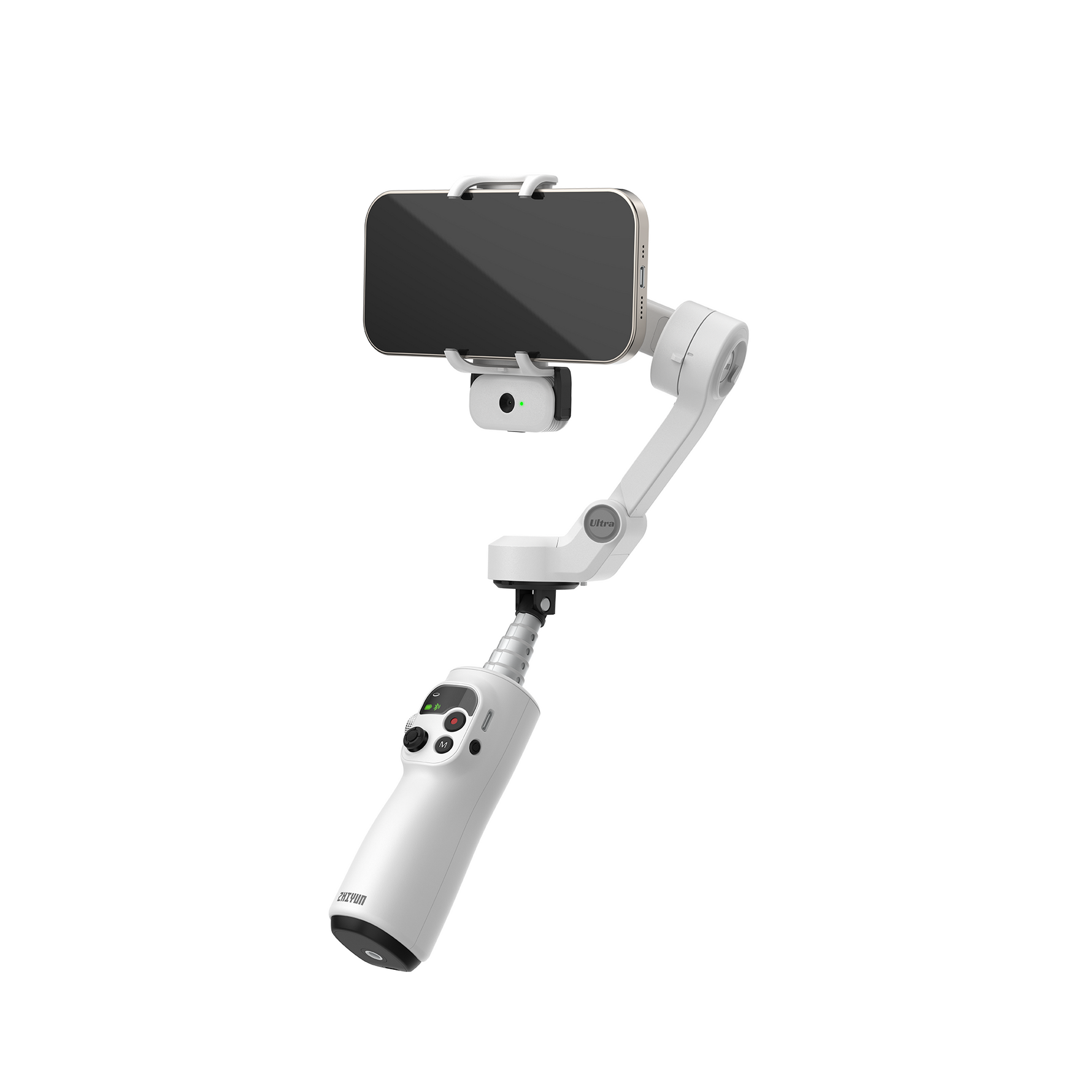
- Size and portability: Travel vloggers might want a foldable or mini gimbal.
- Control features: Some gimbals have joysticks, trigger buttons, or even smartphone apps for easy operation.
- Price vs. features: Higher-priced gimbals offer more features, but even budget models can give good results.
If you’re new, try renting a gimbal or testing one in a store. That way, you can see if it fits your style before buying.
Real-world Examples
Many YouTubers and filmmakers rely on gimbals for their channels and movies. For example, travel vlogger Lost LeBlanc uses a gimbal to film smooth walking tours in busy markets. Action sports creators like Sam Kolder capture running, biking, and skateboarding scenes with gimbals, adding an immersive feel to their videos.
According to a 2026 survey by Statista, 67% of content creators who use gimbals say their videos look more professional and get better engagement from viewers.
Two Insights Beginners Usually Miss
- Balance matters: Gimbals must be carefully balanced with your camera before use. If your camera is not balanced, the gimbal’s motors work harder, leading to shaky footage and shorter battery life. Always take a minute to balance the camera properly.
- Movement technique: Even with a gimbal, you need to walk smoothly. Use the “ninja walk”—bend your knees slightly and move your feet heel-to-toe. This reduces up-and-down motion, making your footage even smoother.
Credit: store.zhiyun-tech.com
When You May Not Need A Gimbal
Gimbals are powerful, but they’re not always necessary. If you shoot mostly on a tripod or don’t move much, a gimbal might be extra weight. Some phones and cameras now have excellent stabilization built-in. For interviews or static shots, a tripod or monopod can be simpler.
Frequently Asked Questions
What Is A Camera Gimbal?
A camera gimbal is a handheld device with motors that keep your camera steady. It helps you shoot smooth video, even when you move around.
Do I Need A Gimbal If My Camera Has Stabilization?
Built-in stabilization helps for small shakes, but a gimbal gives much smoother results for walking, running, or moving shots. If you want the best video quality, a gimbal is still a good choice.
How Long Does A Gimbal Battery Last?
Most gimbals run for 8–12 hours per charge, depending on the model and camera weight. Always check the manufacturer’s specs before you buy.
Can I Use A Gimbal With My Smartphone?
Yes, there are many gimbals made for smartphones. They’re smaller and lighter than DSLR gimbals but give similar smooth results.
Where Can I Learn More About Camera Gimbals?
You can find more details and reviews on Wikipedia or visit camera gear review sites.
Choosing a camera gimbal is one of the smartest investments for better video. With the right gimbal and some practice, you can transform your footage from amateur to professional—no matter where you shoot.
Credit: store.hohem.com