Photography often demands creative control over light. While natural light is beautiful, it’s not always reliable. This is where a speedlight flash becomes a powerful tool. Whether you’re shooting portraits indoors or capturing action outdoors, knowing when to use speedlight flash can transform your photos from average to outstanding.
Table of Contents
Why Use Speedlight Flash
A speedlight flash is a portable, battery-powered flash unit. Unlike built-in camera flashes, speedlights are stronger and more flexible. They allow photographers to direct, bounce, or diffuse light as needed. This opens up many creative possibilities, especially when natural light falls short.
Ideal Situations For Speedlight Flash
Low Light Environments
When you’re shooting in dim rooms or at night, speedlight flash helps you maintain sharpness. It freezes motion and reduces blur, which is vital at events like weddings or parties.
Harsh Sunlight And Fill Flash
Bright sunlight can cause harsh shadows on faces. By using speedlight as a fill flash, you soften shadows and create even lighting. This is useful for outdoor portraits or group shots.
Moving Subjects
Sports and wildlife photography often involve fast movement. A speedlight can freeze action, producing crisp images even when subjects move quickly.
Indoor Portraits
Indoor spaces often have poor or uneven lighting. A speedlight allows you to bounce light off walls or ceilings, making portraits look natural and flattering.
Creative Effects
Speedlights enable special effects like rear curtain sync for motion trails or colored gels for unique moods. This gives your photos a professional touch.

Credit: www.youtube.com
Speedlight Vs. Other Lighting Options
It’s helpful to compare speedlights with other common lighting sources.
| Lighting Type | Portability | Power | Flexibility |
|---|---|---|---|
| Speedlight | High | Medium | High |
| Built-in Flash | Very High | Low | Low |
| Studio Strobe | Low | High | High |
Common Mistakes When Using Speedlight
- Direct Flash: Pointing the flash straight at the subject often causes harsh, unnatural light and red-eye.
- Wrong Power Setting: Too much flash can overexpose, while too little leaves the photo dark.
- Ignoring Ambient Light: A good photo balances flash with available light for a natural look.
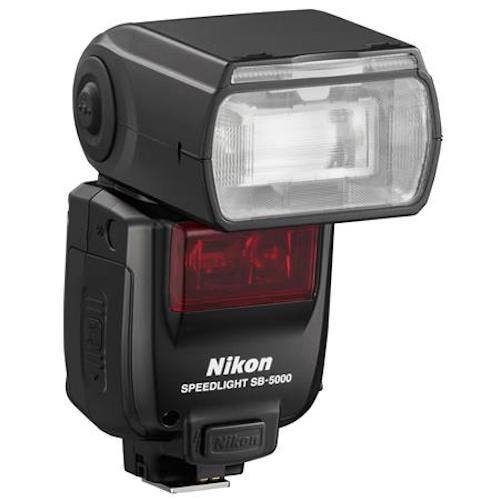
Credit: www.adorama.com
Practical Tips For Better Results
- Bounce the flash off a ceiling or wall for softer light.
- Use a diffuser to spread light evenly.
- Adjust flash power to match the scene.
- Try off-camera flash for dramatic effects.
Here’s a quick comparison of bounce vs direct flash impact:
| Flash Technique | Shadow Quality | Skin Tone |
|---|---|---|
| Direct Flash | Harsh | Pale, flat |
| Bounced Flash | Soft | Natural, even |
Using a speedlight flash is not just for professionals. Beginners can quickly see better results with some practice. Remember, every lighting situation is different—experiment to find what works best for your style. For more detailed lighting guides, see the B&H Explora Guide.
Frequently Asked Questions
What Is A Speedlight Flash?
A speedlight is a portable, battery-powered flash unit that attaches to your camera or works off-camera for flexible lighting.
Can I Use Speedlight Flash Outdoors?
Yes, speedlight flash is useful outdoors for fill light, reducing harsh shadows, and capturing fast action.
Do I Need Special Equipment To Bounce Flash?
Usually, you just need a light-colored wall or ceiling. Some photographers use small reflectors or bounce cards for more control.
How Do I Avoid Red-eye With Speedlight?
Bounce the flash or use off-camera flash to change the light angle and reduce red-eye.
Are Speedlights Good For Beginners?
Absolutely. They are easy to use, and a few basic techniques can quickly improve your photography results.

Credit: digital-photography-school.com