Capturing sharp, clear photos with telephoto lenses is challenging. These lenses are heavy and long, making them hard to balance on a tripod. Many photographers use tripod gimbal heads to solve this problem, but are they really the best choice? Let’s explore how gimbal heads perform with telephoto lenses and whether they are worth the investment.
Table of Contents
Why Tripod Gimbal Heads Matter
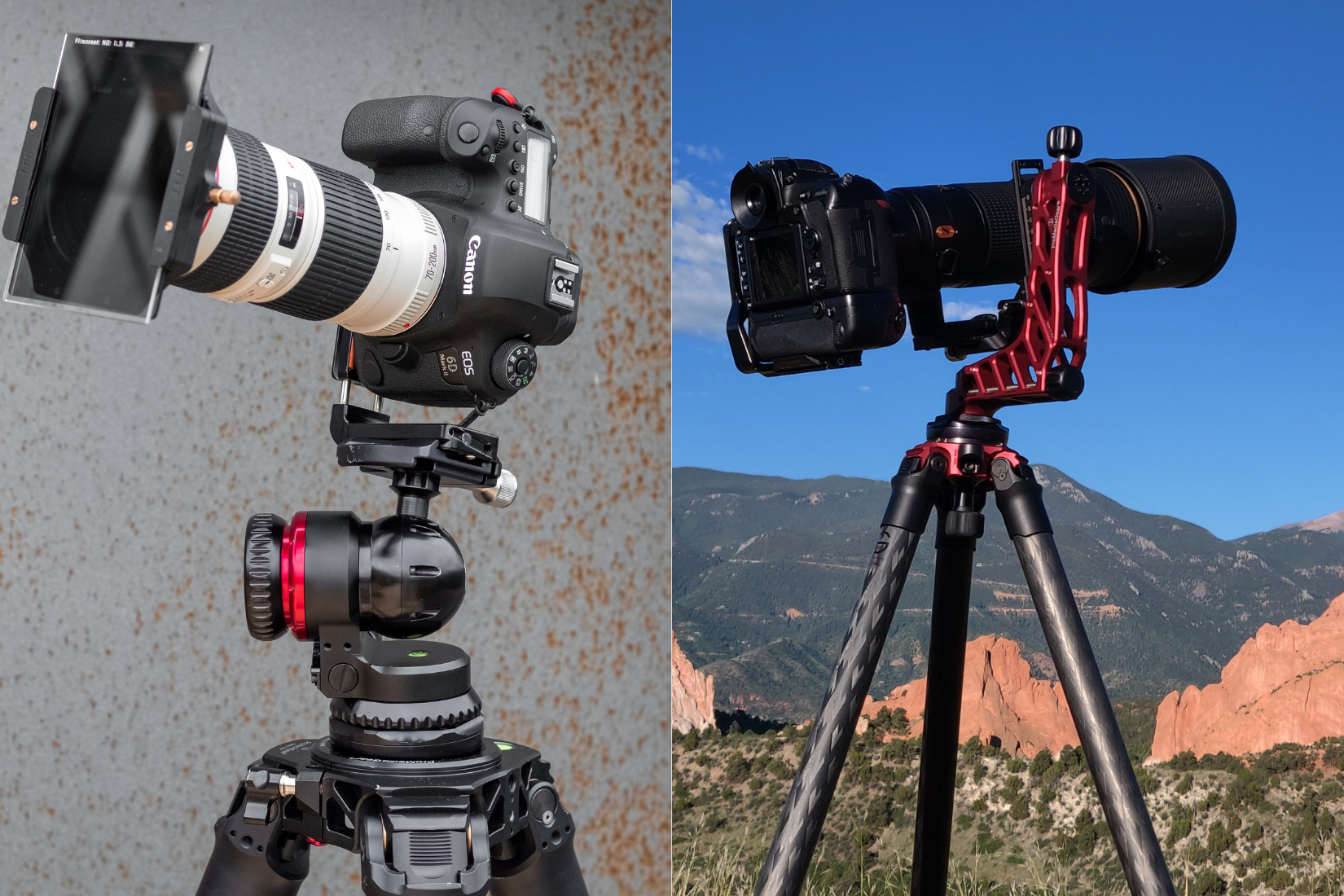
Telephoto lenses—especially those above 300mm—can weigh several pounds. A regular tripod head often struggles to hold these lenses steady. The result is shaky photos, missed action, and frustration. Gimbal heads are designed to support heavy lenses by balancing them perfectly. This allows for smooth movement and easy tracking of subjects like birds, wildlife, or sports players.
Key Benefits For Telephoto Lenses
1. Balance And Stability
A gimbal head holds the lens at its center of gravity. This means you can move the camera without fighting against its weight. Even a 600mm lens feels light and easy to control.
2. Smooth Tracking
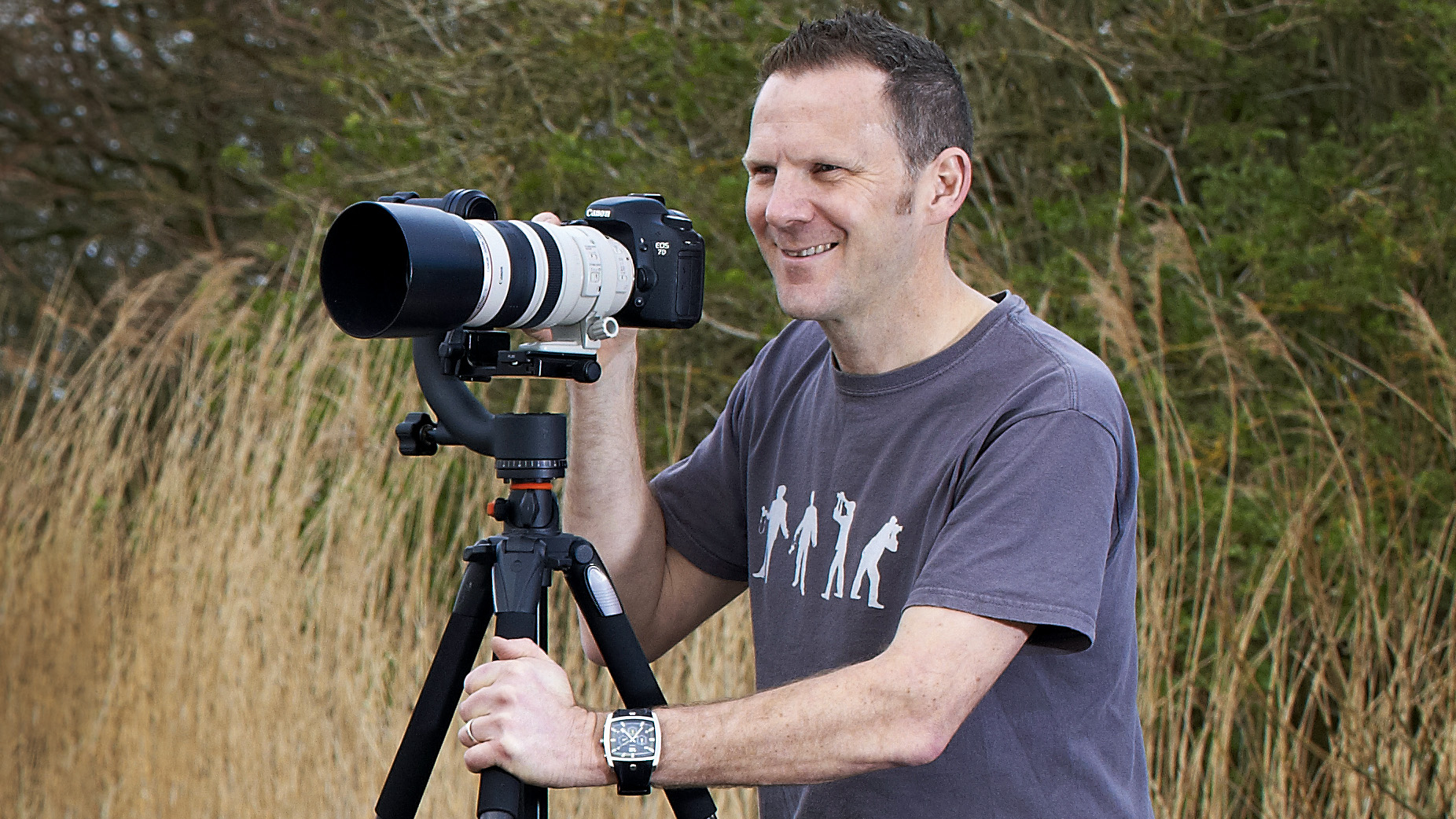
Gimbal heads let you follow moving subjects smoothly. For wildlife or sports photography, this is vital. You can pan and tilt without jerky motions or losing your subject.
3. Reduced Fatigue
Holding a heavy telephoto lens for minutes or hours is tiring. With a gimbal head, the tripod carries most of the weight, so you focus on the shot, not your muscles.
4. Quick Adjustments
You can switch angles quickly. This is useful if your subject changes direction or if you spot something interesting.
Credit: promediagear.com
Comparison With Other Tripod Heads
Below is a quick comparison between gimbal heads and other types:
| Head Type | Best For | Max Lens Weight | Ease of Movement |
|---|---|---|---|
| Gimbal | Telephoto, action | 15 lbs+ | Very smooth |
| Ball Head | General, lighter lenses | 6-8 lbs | Moderate |
| Panning Head | Landscape, video | 8-10 lbs | Smooth (horizontal only) |
Gimbal Head Features That Matter
When choosing a gimbal head for your telephoto lens, pay attention to:
- Weight capacity: Make sure the head can handle your lens and camera.
- Ease of adjustment: Look for smooth knobs and quick-release plates.
- Build quality: Strong materials like aluminum or carbon fiber are best.
Here is a comparison of two popular gimbal heads:
| Model | Max Load | Material | Price Range |
|---|---|---|---|
| Wimberley WH-200 | 12 lbs | Aluminum | $600-$650 |
| Benro GH2 | 26 lbs | Aluminum | $250-$300 |
Credit: www.digitalcameraworld.com
Common Mistakes To Avoid
- Using a gimbal head with small lenses—this is unnecessary and can be awkward.
- Ignoring the weight rating—overloading a gimbal head can cause damage.
- Forgetting to balance the lens—always set the lens at its center of gravity for best results.
Practical Tips For Beginners
- Practice balancing your lens before shooting.
- Use a sturdy tripod with a wide base.
- Tighten knobs gently to avoid wear.
For more detailed guidance, check out this Wikipedia article on tripod heads.

Credit: leofotousa.com
Frequently Asked Questions
What Is A Gimbal Head?
A gimbal head is a tripod accessory that balances heavy lenses, allowing smooth movement in all directions.
Are Gimbal Heads Only For Telephoto Lenses?
No, but they work best with heavy telephoto lenses. For small lenses, other heads are simpler and lighter.
Can I Use A Ball Head With A Telephoto Lens?
You can, but a ball head may not hold large lenses steady. Gimbal heads are safer for heavy gear.
How Much Does A Good Gimbal Head Cost?
Prices range from $200 to $650 depending on build quality and brand.
Do I Need A Special Tripod For A Gimbal Head?
You need a strong tripod that can support your camera and lens without wobbling.