Sony cameras are famous for their quality and innovation, but one key detail often missed is the lens mount type. The mount connects the camera body and the lens, making it possible to use different lenses. For photographers and videographers, knowing about Sony’s lens mount types is important for choosing the right gear and unlocking creative options.
Table of Contents
Main Sony Lens Mount Types
Sony has developed several lens mounts over the years. Each serves a different camera system and user need.
A-mount
The A-mount was first introduced in 1985 for Minolta SLRs, then carried to Sony’s DSLR and SLT cameras. It uses a physical bayonet design.
- Supports autofocus with screw-drive lenses
- Works with many legacy Minolta lenses
- Mostly found on cameras like the Sony Alpha 99 II
A-mount cameras are less common today, but they still offer value for users with older lenses.
E-mount
The E-mount arrived in 2010 with Sony’s mirrorless system. It’s now the main mount for most Sony cameras.
- Designed for mirrorless cameras
- Short flange distance (18mm) for compact bodies
- Compatible with both APS-C and full-frame sensors
E-mount is used in popular cameras like the Sony Alpha 7 series and Alpha 6000 series. It’s ideal for modern photography and video.
Sony Lens Mount Comparison
A quick look at the differences can help decide which mount suits your needs.
| Mount Type | Camera System | Sensor Size | Autofocus Support |
|---|---|---|---|
| A-mount | DSLR/SLT | APS-C, Full Frame | Screw-drive, Electronic |
| E-mount | Mirrorless | APS-C, Full Frame | Fully Electronic |
Credit: www.kentfaith.com
Lens Compatibility
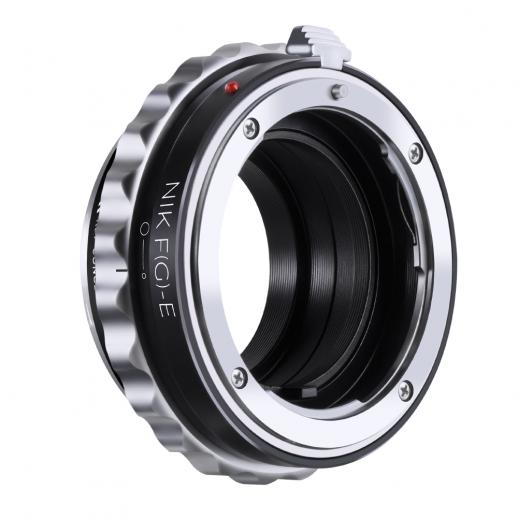
Knowing which lenses work with which mount is key. E-mount cameras can use A-mount lenses with an adapter, but not all features transfer.
| Camera | Native Lens Mount | Adapter Needed? | Full Features? |
|---|---|---|---|
| Alpha 7 III | E-mount | Yes (A-mount lens) | Partial (some autofocus limits) |
| Alpha 99 II | A-mount | No | Yes |
Why Lens Mount Type Matters
Lens mount type affects:
- Lens selection: More mounts = more options
- Autofocus speed: Electronic mounts are faster
- Upgrade path: E-mount is future-proof
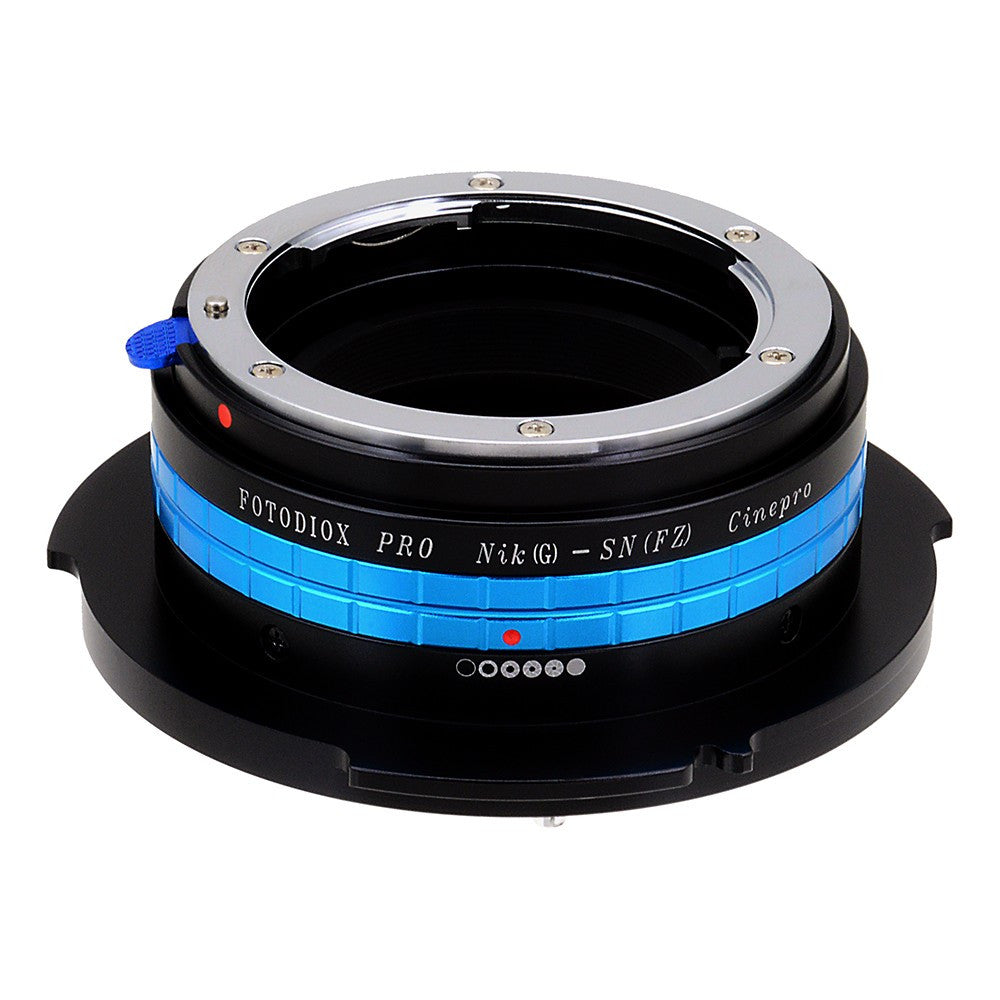
Many beginners overlook the importance of adapters. Using an adapter can limit autofocus or stabilization, so check before buying.
Credit: fotodioxpro.com
Real-world Example
A photographer switching from a Sony A-mount camera to an E-mount model may need to buy new lenses or adapters. Sometimes, older A-mount lenses do not perform as well on E-mount bodies, especially for fast autofocus.
Frequently Asked Questions
What Is The Difference Between A-mount And E-mount?
A-mount is for Sony’s older DSLR/SLT cameras, while E-mount is for modern mirrorless cameras. E-mount is lighter and supports faster autofocus.
Can I Use A-mount Lenses On E-mount Cameras?
Yes, with a Sony adapter. However, not all features work perfectly. Autofocus may be slower or unavailable.
Are All Sony E-mount Lenses Compatible With Full-frame Cameras?
No. Some E-mount lenses are designed for APS-C sensors. Full-frame E-mount cameras can use APS-C lenses, but with reduced resolution.
Is The E-mount Future-proof?
Currently, E-mount is Sony’s main system and is likely to stay relevant for years. It supports the latest camera features.
Where Can I Find An Official List Of Sony Lens Mounts?
You can check Sony’s official website for full details: Wikipedia.
Understanding Sony camera lens mount types will help you make better choices and avoid compatibility issues. Always match your camera body and lens for the best results.

Credit: www.amazon.com