Capturing smooth, steady video is a challenge, especially when moving or shooting handheld. Even slight hand shakes can ruin a great shot. This is where camera stabilizers come in. They help both professionals and hobbyists get clean, cinematic footage without the need for expensive equipment or huge crews.
Table of Contents
What Is A Camera Stabilizer?
A camera stabilizer is a device that reduces unwanted movement and vibration during recording. Its goal is to keep the camera as steady as possible, even when the operator is in motion. There are several types, but they all work to isolate the camera from hand or body shakes.
How Camera Stabilizers Work
Mechanical Stabilizers
Mechanical stabilizers use physics to balance the camera. The most common type is the gimbal system.
- Counterweights: By adding weight below the camera, the stabilizer lowers the center of gravity. This makes the camera less sensitive to sudden movements.
- Pivot Points: These allow the camera to rotate smoothly, absorbing small shakes.
| Type | Main Feature | Best For |
|---|---|---|
| Handheld Gimbal | Manual balance | Budget users |
| Vest + Arm | Weight distribution | Professional shots |
Electronic Stabilizers
Electronic stabilizers, or motorized gimbals, use sensors and motors to keep the camera level.
- Gyroscope sensors detect unwanted motion.
- Brushless motors instantly adjust the camera’s position.
These devices are common with drones and high-end video cameras. They offer more precision but require batteries and calibration.
| Stabilizer | Power | Stability |
|---|---|---|
| Mechanical | No battery | Moderate |
| Electronic | Battery powered | High |

Credit: store.zhiyun-tech.com
Why Stabilizers Matter
Shaky footage can distract viewers and lower video quality. Even smartphones now include optical image stabilization to help users shoot smoother videos. For film and professional work, using a stabilizer is almost essential.
A non-obvious tip: Balancing a stabilizer is as important as using it. Poor balance can make footage worse. Another insight: Heavy cameras often stabilize better because their mass resists small shakes.
Practical Example
Imagine filming while walking. Without a stabilizer, each step sends a jolt through your arms. With a gimbal, the camera floats smoothly, giving a professional look even in action scenes.
| Scenario | Without Stabilizer | With Stabilizer |
|---|---|---|
| Walking Shot | Shaky, distracting | Smooth, cinematic |
| Pan/Rotate | Jerky motion | Fluid movement |
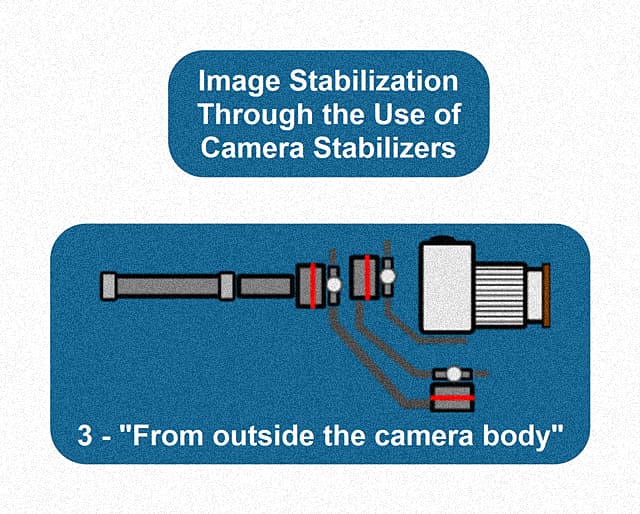
Credit: www.videoauteur.com
Frequently Asked Questions
How Do I Choose The Right Camera Stabilizer?
Consider your camera weight, shooting style, and budget. Heavier cameras need stronger stabilizers. If you film often, a motorized gimbal is worth the investment.
Can I Use A Stabilizer With My Smartphone?
Yes, many stabilizers are made for smartphones. Look for models that fit your phone size and support your preferred shooting apps.
Do Stabilizers Eliminate All Shakes?
No, but they greatly reduce most unwanted motion. Extreme shakes or impacts can still affect footage.
Are Electronic Stabilizers Better Than Mechanical Ones?
Electronic stabilizers offer more precision and are easier to use, but mechanical models are cheaper, lighter, and don’t need batteries.
Where Can I Learn More About Stabilizer Technology?
You can find detailed explanations and history on the Wikipedia Camera Stabilizer page.
By understanding how camera stabilizers work, you can make better choices and capture more professional video—no matter your skill level.